
Altitude, Adaptation and a Head Start: Inside an Elite Athlete’s Pre-Season Training Camp
Altitude, Adaptation and a Head Start: Inside an Elite Athlete’s Pre-Season Training Camp
August 18, 2026

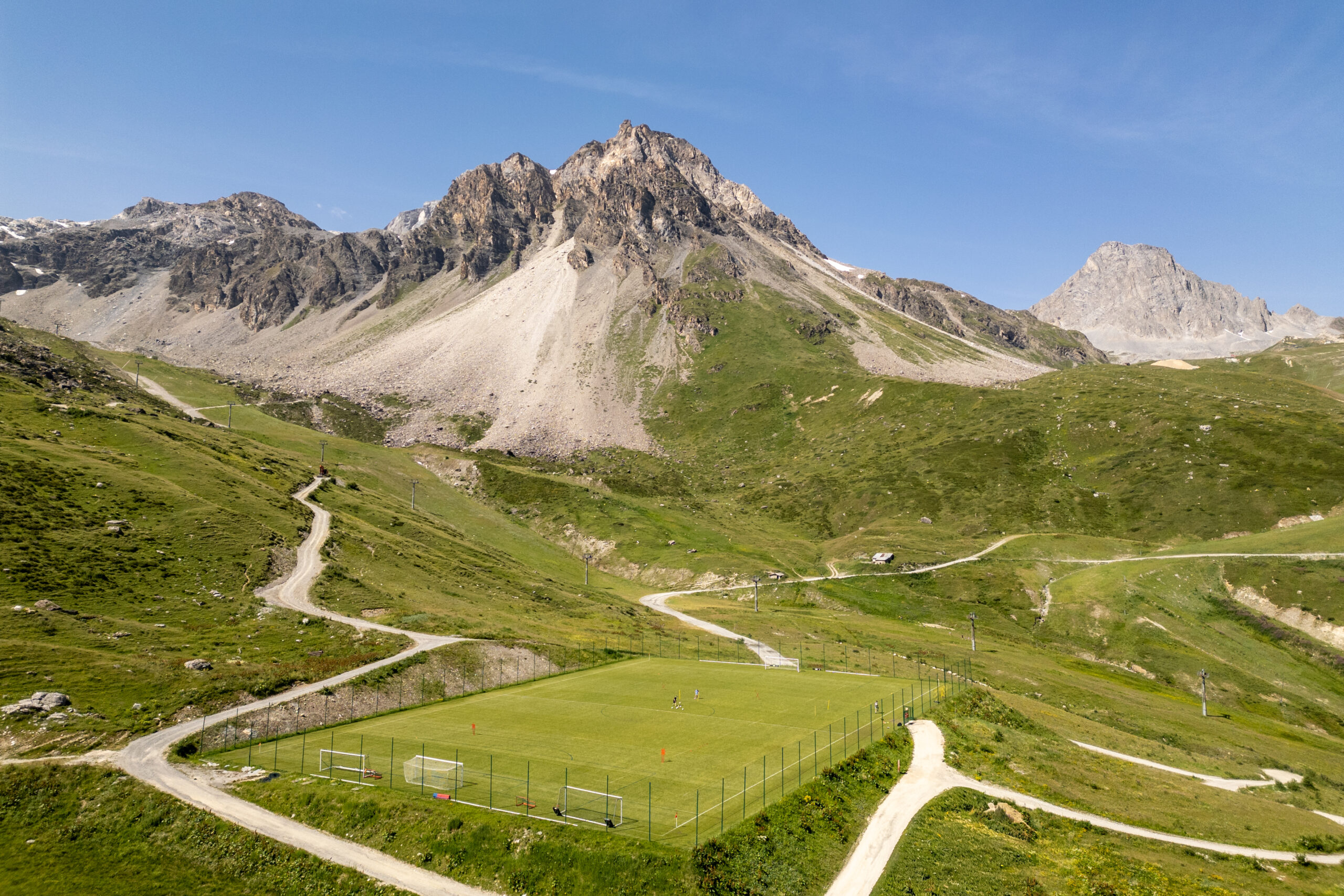
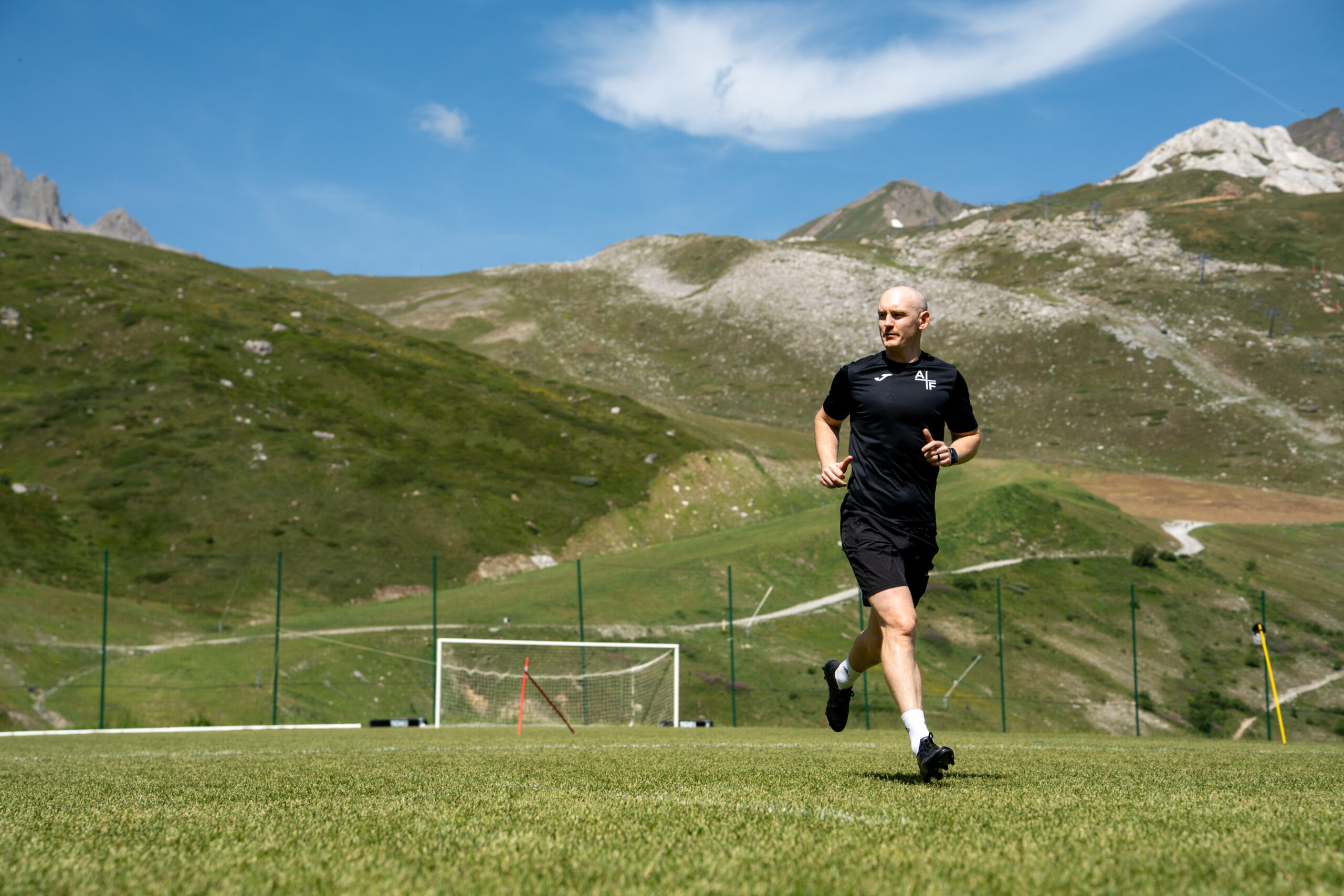
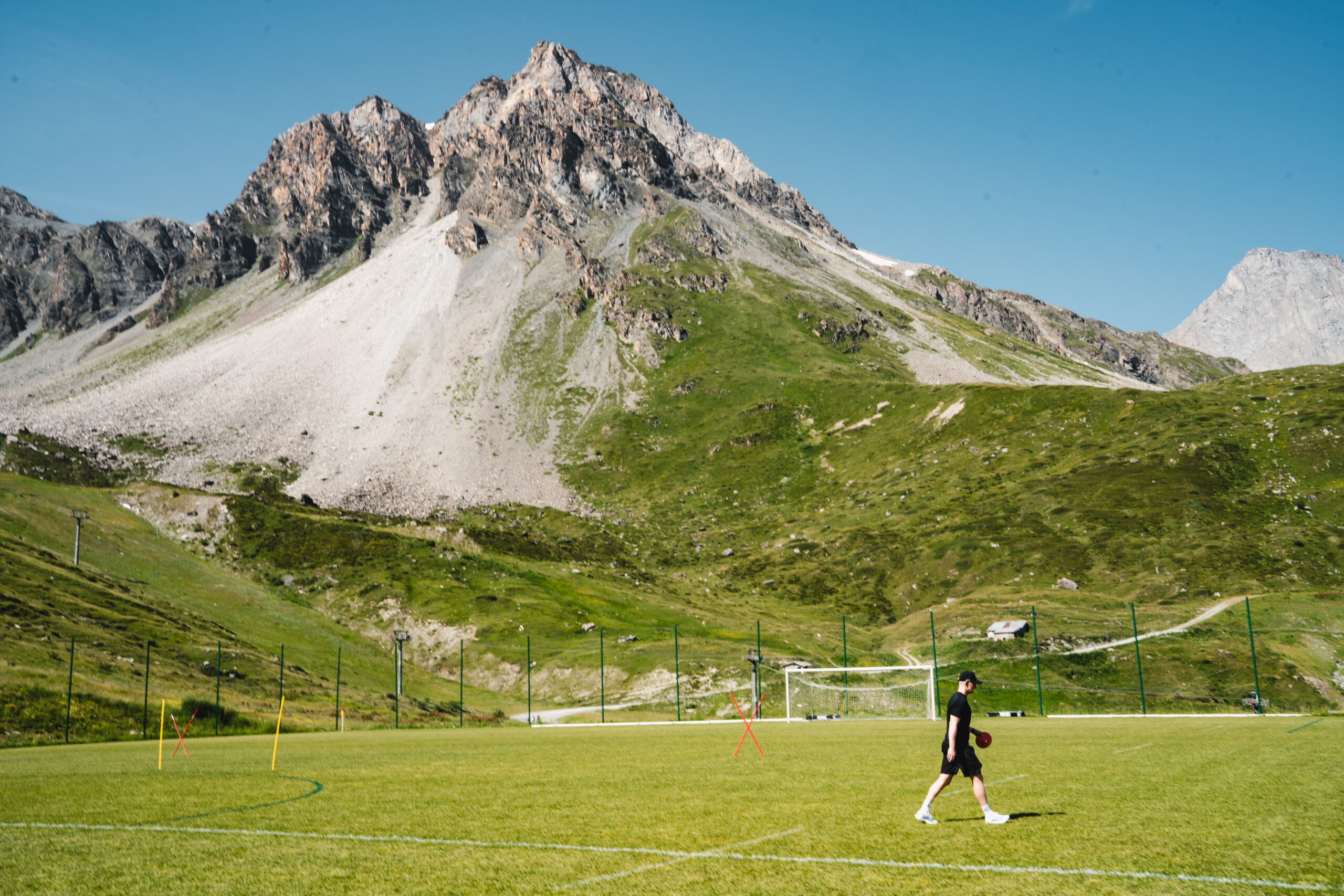
Before one of the elite footballers I work with reported for pre-season at her new club, we spent a week together at an altitude training base in the mountains.
The plan was simple: build a solid fitness foundation ahead of what could turn into a 12-month season. Over five days we combined gym work, pitch-based conditioning and football-specific training across ten sessions, aiming for a meaningful training stimulus without sending her into pre-season carrying unnecessary fatigue.
Why altitude
The thinking behind it was straightforward. At height, you can drive internal load: heart rate, perceived effort, physiological strain- without needing a high external load to get there. For a player about to walk straight into a new club’s pre-season, that mattered. We wanted a real stimulus without piling extra mechanical wear onto legs that would soon need to be fresh.
The week itself had a deliberate shape: two introductory sessions to reacclimatise to the ball and get moving well again, an easier day in the middle, then two harder days back to back, one built around higher-speed running, the other around repeated accelerations and decelerations. That progression let us build her up steadily rather than front-loading intensity before she’d found her feet.
What the GPS data showed
The GPS data across the five pitch sessions tells the story clearly. The high-speed day produced 225m of high-intensity running across 16 events and the week’s highest average top speed, 23.6kph, more than five kilometres per hour quicker than any other day. The following day, built around change of direction, flipped the picture entirely: accelerations and decelerations both peaked at 38 each, the most even accel/decel split of the week, while top speed and high-intensity distance dropped right off.
| Session Day | Distance (km) | Session Load | High-Intensity Running (m) | Top Speed (kph) | Accelerations | Decelerations |
| Day 1 | 6.16 | 1232 | 0 | 17.8 | 15 | 10 |
| Day 2 | 4.58 | 827 | 0 | 18.0 | 26 | 40 |
| Day 3 | 5.66 | 1097 | 0 | 17.9 | 22 | 6 |
| Day 4 | 4.38 | 787 | 225 | 23.6 | 36 | 23 |
| Day 5 | 3.89 | 810 | 7 | 20.6 | 38 | 38 |
What’s notable is that the two “harder” days don’t necessarily stand out on total distance or session load. It’s the shape of the data, not the size of it, that reveals the intent behind each session.
The surprising bit: perceived effort didn’t track heart rate
Heart rates were higher for most drills than we’d see at sea level, entirely expected at altitude. What wasn’t expected was where that showed up subjectively. None of the harder, higher-intensity drills came back feeling harder than usual to her. It was the technical drills, the slower, more controlled work, where the altitude effect was most noticeable.
Our working theory: technical drills are done at a pace where you’ve got the headspace to notice your own breathing. In a fast, high-intensity drill you’re too consumed by the task to register it; in a slower technical drill, breathing heavier becomes obvious almost straight away. It’s a good reminder that RPE and heart rate don’t always move in lockstep, and that where you place your monitoring attention matters as much as what you’re monitoring.
Around the sessions
Gym work ran throughout the week and went well. On day three, the easiest day, she was feeling good, so we added an off-feet conditioning circuit plus a mobility block that afternoon, on top of what was planned. Splitting the day’s work into separate blocks rather than one long session gave her physical and mental recovery time between pieces, which we think helped her absorb the week’s volume without carrying persistent fatigue into the days that followed. Given this was the first week of training in what could be a very long season, we erred on the side of caution throughout rather than chasing extra volume.
What we’d change next time
A week at altitude is enough to raise heart rate and internal strain, but it’s not long enough to drive genuine physiological adaptation — that takes longer exposure than we had. For future camps we’re weighing up two options: extending the block over more days, or following the camp with a period of altitude tent use to try to bank some of those adaptations afterwards.
The unplanned win
One benefit we hadn’t fully anticipated going in was how much the week doubled as a genuine break. Beautiful scenery, and having close family there to help her switch off, meant the camp did as much for her freshness heading into pre-season as the sessions themselves. Overall, the week hit the mark: a solid training foundation, no lingering fatigue, and a player who arrived at her new club rested as well as prepared.
SHARE THIS ARTICLE
Read another article
Before one of the elite footballers I work with reported for pre-season at her new [...]
By Andy White, CEO Athlete Focused This July, the Athlete Focused team embarked on [...]

By Gana Cariappa, Director, Athlete Focused London City What motivated you to start Athlete [...]