Team Performance Planning for 2026: A Practical Framework for Amateur Sports Teams
Team Performance Planning for 2026: A Practical Framework for Amateur Sports Teams
February 12, 2026

By Dr. Andy White
As amateur teams look ahead to 2026, one challenge consistently undermines performance: good intentions without a plan. Training sessions are organised week to week, availability dictates quality, and performance support becomes reactive rather than purposeful. The result is familiar- injuries, inconsistent attendance, and stalled development.
High-performing teams, regardless of level, do one thing differently. They plan. Not in an overly complex or elite-only way, but with clarity, structure, and intent. Effective team performance planning brings together physical preparation, culture, recovery, and logistics into a joined-up system that supports players and coaches across the season.
At Athlete Focused, we see planning not as a rigid programme, but as a framework that creates consistency, momentum, and better outcomes. Below are five practical principles amateur clubs can use to plan smarter for 2026 – and perform better as a result.
Five Core Principles for Team Performance Planning
- Zoom Out: Build What Lasts
Team performance planning starts by stepping back. Instead of reacting to weekly pressures, zoom out and consider what can be put in place for the long term.
For amateur teams, this means establishing repeatable systems: a seasonal training structure, regular check-ins, shared calendars, and clear communication routines. These elements reduce decision fatigue, improve efficiency, and free up time for coaching rather than firefighting.
From a team performance perspective, this is where strength and conditioning periodisation matters. Periodisation simply means planning training in phases across the year so players are prepared for competition peaks and protected from overload. Even at amateur level, this approach reduces injury risk and improves consistency.
Our experience with amateur teams tells us that:
- Planned training loads are associated with lower soft-tissue injury risk.
- Consistent weekly structure improves player adherence and attendance.
- Long-term planning supports progressive development rather than short-term fixes.
- Zoom In: Win the Day
Once the big picture is clear, team performance is built in the small, repeatable actions.
Rather than trying to change everything, identify one or two daily or weekly habits that will have the biggest impact. This might be a short warm-up protocol, consistent post-session nutrition, or agreed lifestyle behaviours such as recovery strategies focused on better sleep.
For amateur athletes balancing work, family, and sport, simplicity drives adherence. When behaviours are realistic, they stick and small wins compound over time.
- Be Where Your Feet Are: Presence Drives Quality
Performance is not just physical. Attention and mindset matter.
“Being where your feet are” means helping players arrive mentally as well as physically. Simple practices such as one to two minutes of breathing, reflection, or focus at the start of sessions can significantly improve training quality.
This links directly to team culture and psychology. When players feel present, valued, and connected, engagement improves. Over a season, this shows up in better attendance, clearer communication, and stronger standards.
Our experience tells us:
- Brief mindfulness practices can improve focus and emotional regulation.
- Strong team culture is linked to higher training availability and retention.
- Psychological readiness supports physical performance and recovery.
- Get Active: Movement With Purpose
Whether the goal is adaptation or recovery performance, movement is a catalyst.
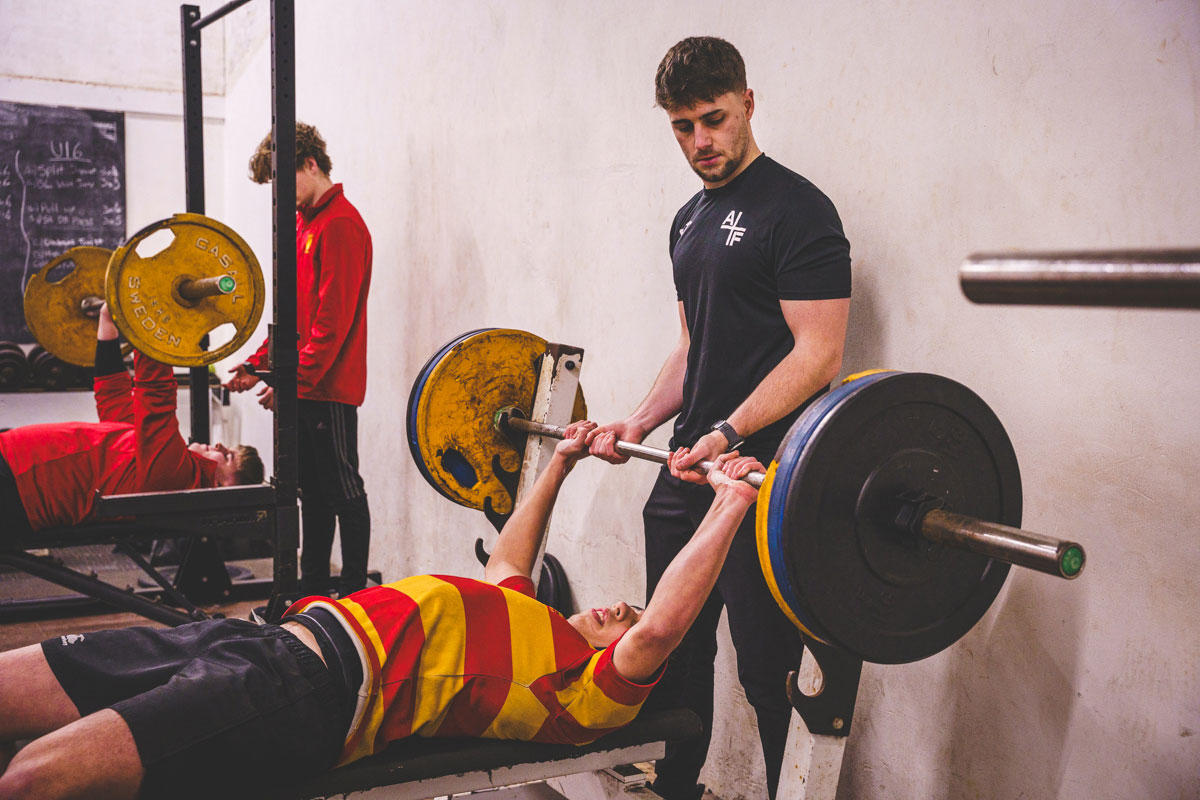
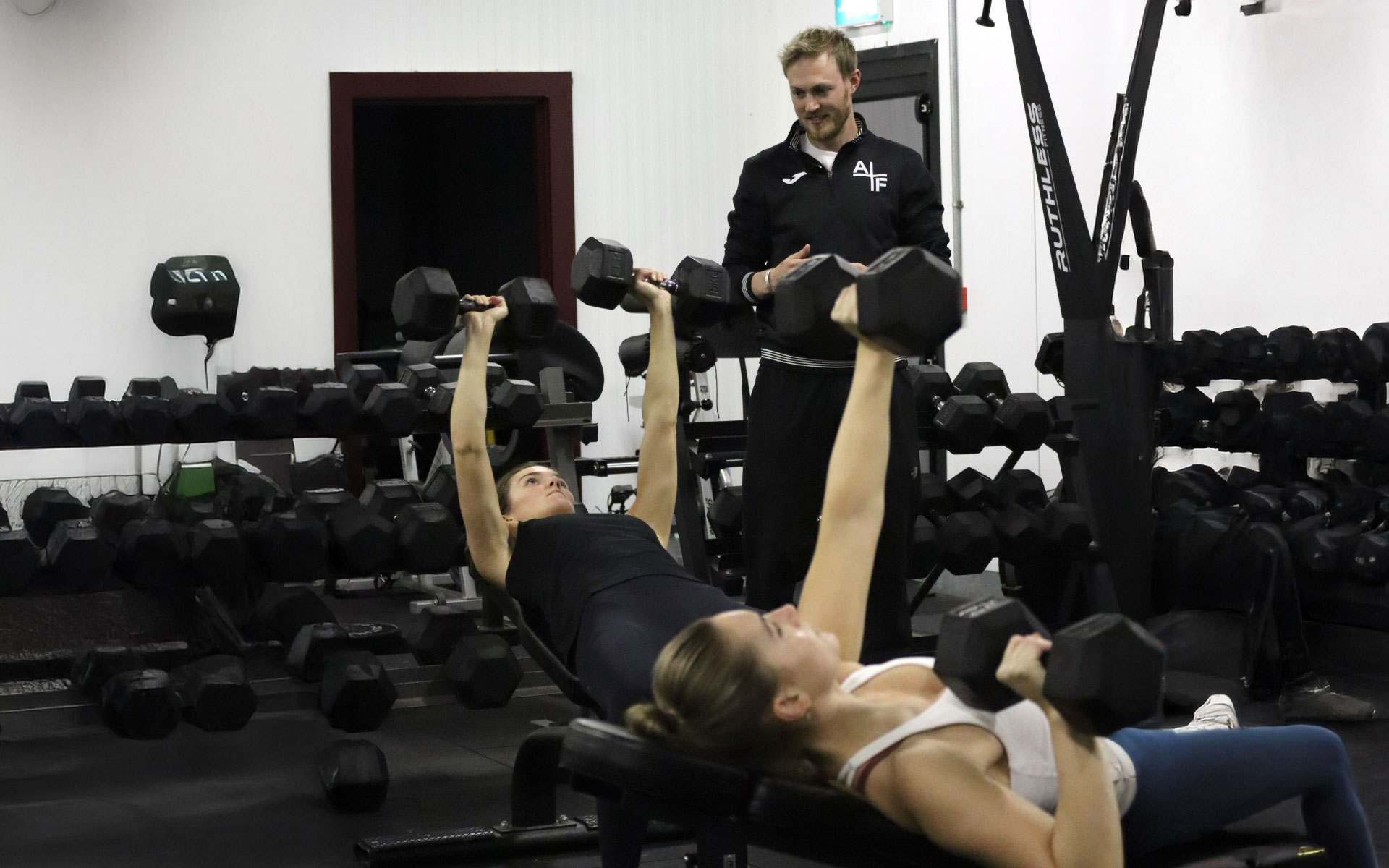
This does not mean “doing more” for the sake of it. It means purposeful activity aligned to the demands of the goal and the time available. Structured warm-ups, targeted strength work, and appropriate recovery sessions all contribute to better outcomes than random or excessive training.
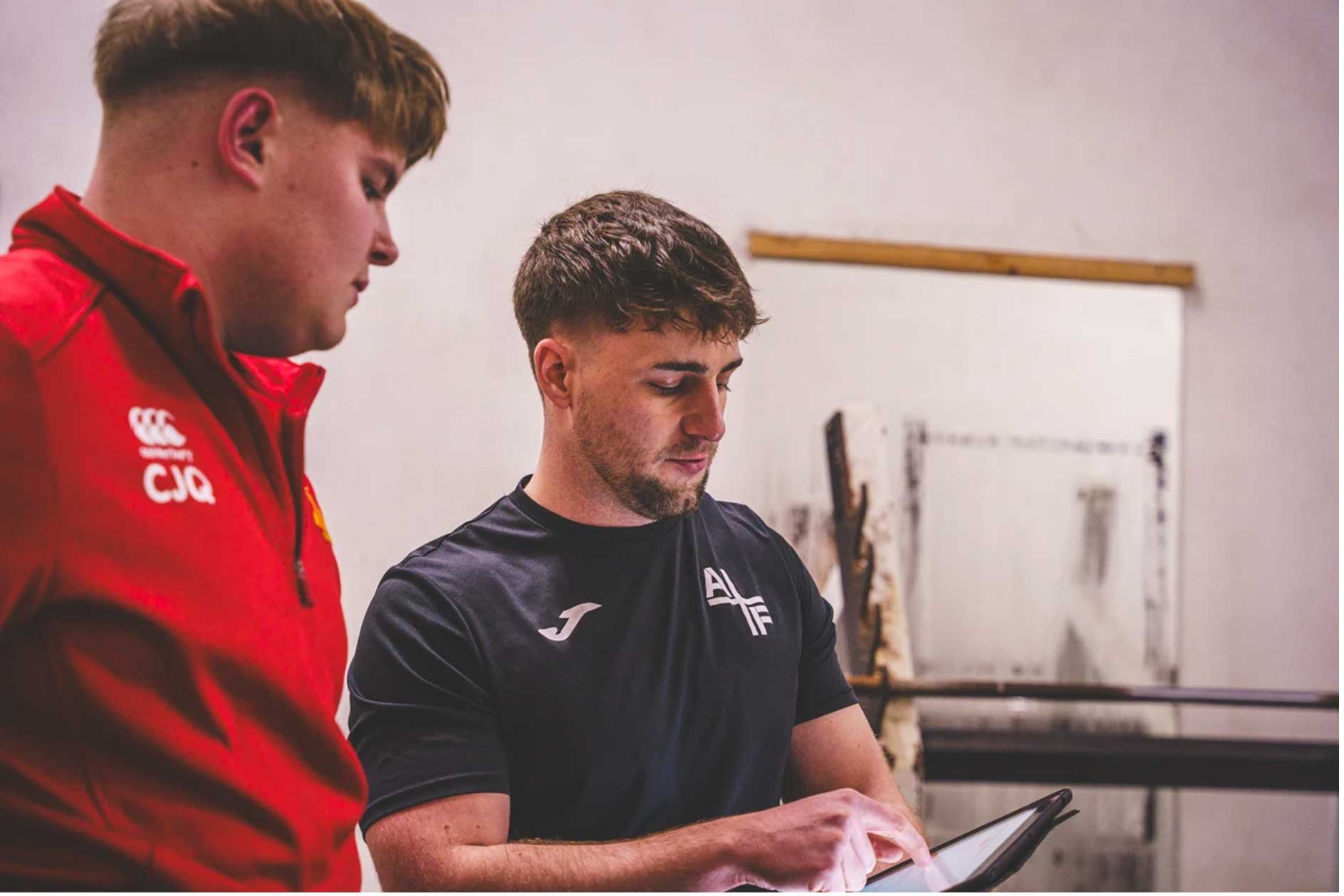
From a team planning perspective, this is where profiling helps. Basic movement screens, injury history reviews, and workload tracking allow coaches to individualise within a team environment – without overcomplicating delivery.
Our experience tells us:
- Individualised loading reduces recurrence of previous injuries.
- Purposeful activity on the day after the match (matchday +1) improves readiness without increasing fatigue.
- Profiling supports smarter decision-making across congested schedules.
- Start With the End in Mind: Short-Term Clarity, Long-Term Vision
Clear goals anchor effective team performance planning.
For 2026, amateur teams should define broad objectives for the year – such as improved availability, reduced injuries, or higher training standards. However, the real focus should be the next four to six weeks. Short-term targets create momentum and allow plans to adapt based on real-world feedback.
This approach also supports nutrition and recovery logistics. Rather than perfect plans, teams benefit from clear, achievable standards around fuelling, hydration, and recovery behaviours that fit their environment.
Practical Framework: How Amateur Teams Can Apply This
A simple planning framework for amateur clubs includes:
- Annual overview aligned to competition demands
- 4–6 week training blocks with clear objectives
- Weekly structure for S&C, skills, and recovery
- Basic profiling and availability tracking
- Regular review points to adjust and refine
This keeps planning practical, not theoretical.
Case Insight: Team Performance Planning in Action
Across amateur teams supported by Athlete Focused, structured performance planning has led to:
- Improved training attendance across the season
- Reduced soft-tissue injuries during peak competition periods
- Greater clarity for coaches and players around expectations
The consistent theme is not higher volume, but better alignment.
Call to Action
If your team wants to move beyond ad-hoc training and build a more resilient, available, and high-performing environment in 2026, planning is the starting point.
Athlete Focused works with amateur clubs to deliver integrated team performance planning, combining strength and conditioning, psychology, and nutrition in a way that fits your reality – not an elite template.
Start planning now and let performance follow. Speak to us today.